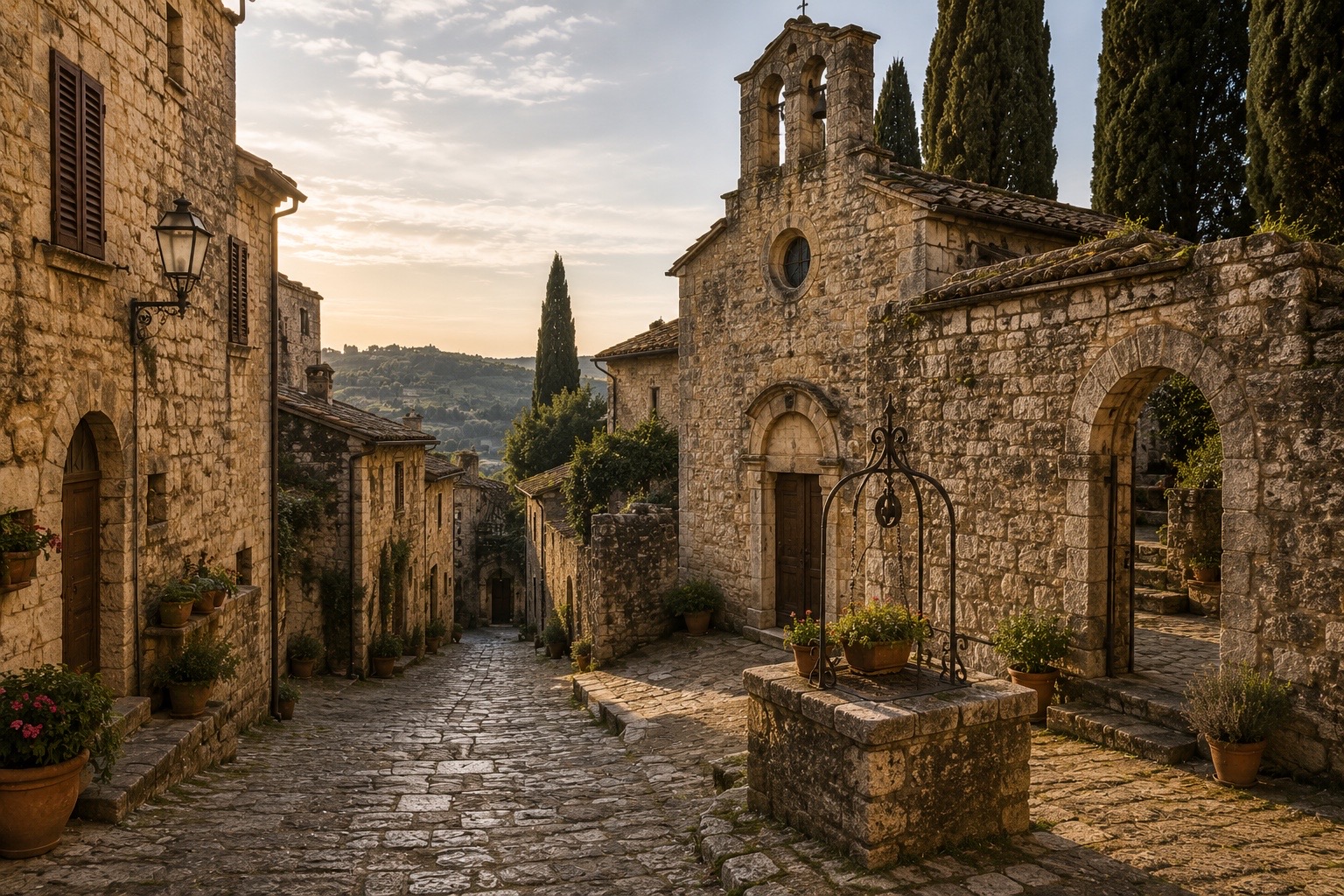
Lambrusco wine and Emilia-Romagna’s holiday traditions took center stage in Food & Wine’s December 2020 issue. Written by Ray Isle, the feature followed the Lini family’s Santa Lucia celebration near Correggio, introducing readers to the regional food and sparkling wines shared around their table.
For Emilia-Romagna Tourism, a client of SiPP Communications, the placement connected the destination with an audience interested in wine, cooking, and culinary discovery. It also offered an opportunity to challenge outdated perceptions of Lambrusco through a story rooted in its producers and place of origin.
Strategic Storytelling
Connecting Lambrusco with a Seasonal Story
Holiday coverage gives destinations an opportunity to introduce readers to local traditions through a familiar occasion. The strongest stories make that connection specific, giving audiences a reason to remember both the experience and the place behind it.
This feature connected a seasonal celebration with a regional specialty, creating an accessible introduction to Emilia-Romagna’s culinary identity. The destination became part of a story readers could imagine bringing into their own holiday celebrations.
The seasonal angle also gave the coverage a clear editorial purpose. It answered a question relevant to readers at that time of year: what could make their own celebrations more interesting? Lambrusco provided an introduction to a destination through something approachable, shareable, and connected to everyday enjoyment.
Challenging Perceptions Through Credible Editorial Coverage
The article addressed Lambrusco’s lingering reputation among American consumers as a sweet, mass-produced wine, highlighting the dry, food-friendly styles made by quality-focused producers.
That editorial context gave the placement value beyond a product mention. It offered readers a reason to reconsider a familiar name and connected that reconsideration with Emilia-Romagna.
For destination brands, this illustrates how earned media can support a more nuanced understanding of a place. A recognizable regional product becomes an entry point for stories that reveal greater depth, character, and cultural relevance.
The opportunity extends to destinations whose best-known products may overshadow the places behind them. Connecting a familiar food or wine with its regional identity can help audiences understand where it comes from and why that origin matters.
Making Emilia-Romagna Memorable Through Food and Wine
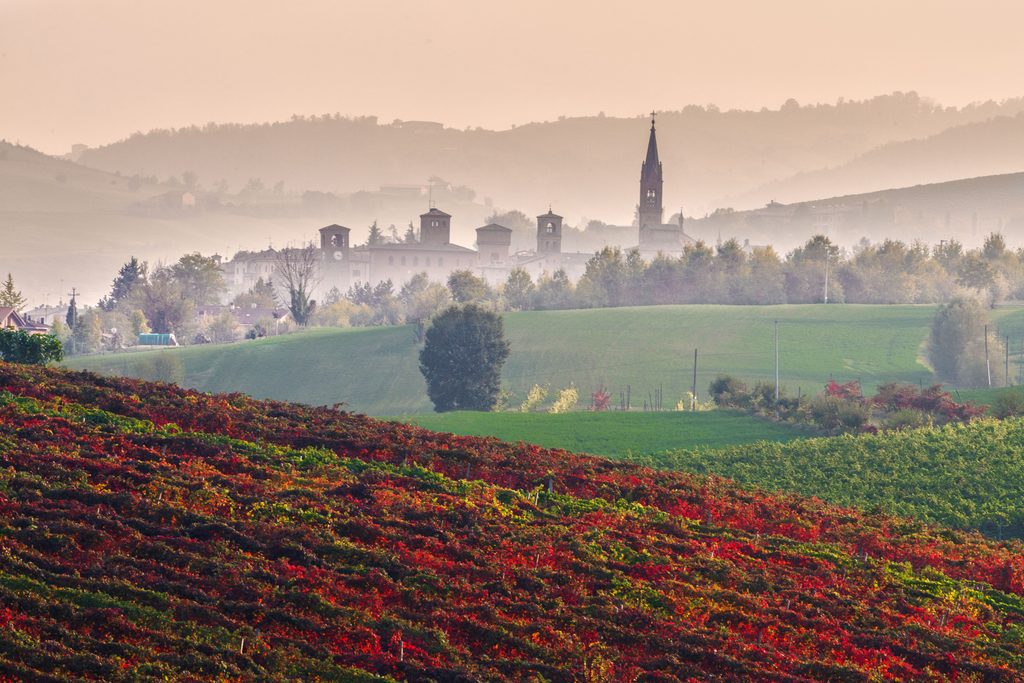
A destination does not always need to be the headline subject to gain meaningful visibility. Stories about producers, traditions, and regional specialties can build associations that complement more conventional travel coverage.
Here, Lambrusco gave Emilia-Romagna a specific point of connection with readers. The story offered a way to understand the destination through its culinary culture, making the region more tangible than a broad description of its attractions would.
For tourism communications, that connection matters. Someone may begin with an interest in entertaining, cooking, or discovering a new bottle and develop a curiosity about the region itself. This is the kind of connection SiPP considers when developing public relations and storytelling strategies for travel and tourism clients.
Results That Matter
The Food & Wine placement supported several communications objectives:
- Audience relevance. It introduced Emilia-Romagna through food and wine, subjects directly aligned with the region’s culinary tourism positioning.
- Distinctive destination storytelling. It connected a regional specialty with a sense of place and a seasonal occasion.
- Third-party credibility. It placed the story within an established publication’s editorial coverage, giving readers an independent perspective.
- Message depth. It gave audiences context for understanding Lambrusco and its regional significance.
- Lasting content value. The published feature remains a reference that can be shared in destination marketing, media conversations, and seasonal communications.
Building a Broader Destination Narrative
Individual placements are most useful when they contribute to a recognizable destination identity. A wine feature can establish culinary associations, while a cultural or outdoor story introduces another reason to explore the same region.
Our work showcasing Emilia-Romagna’s Via di Linari in AFAR offers another example of destination storytelling built around a specific experience. Together, these different editorial perspectives give audiences more ways to discover Emilia-Romagna.
For SiPP Communications, the Lambrusco result demonstrates the value of finding the intersection between a destination’s identity and an editorial opportunity. A focused food-and-wine story can give audiences a memorable reason to become curious about an entire region.
To read the full article, visit Food & Wine.